
Smartphone Repairs and Data Safety
Smartphones have become integral to our daily lives, serving as essential tools for communication, information, and entertainment. As our reliance on these devices increases, so does the likelihood of encountering issues that necessitate repair. Whether it is a cracked screen, battery malfunction, or software glitch, seeking professional assistance is often the best course of action. However, this leads to a prevalent concern among users: the safety of personal data during smartphone repairs.
Data safety is a crucial element of the smartphone repair process. Individuals store a vast amount of sensitive information on their devices, including contacts, photos, financial details, and personal messages. Therefore, it is natural for users to worry about their data becoming compromised or unintentionally erased during the repair process. In light of these concerns, it is imperative to understand what measures technicians take to ensure data protection.
Reputable repair services recognize the importance of safeguarding customer data. Technicians are typically trained to handle devices with care and are aware of the risks associated with mishandling personal information. Many repair centers implement strict protocols to minimize the chances of data loss or exposure, including data backups and secure access practices. By prioritizing data preservation, these professionals aim to reassure clients that their information remains confidential and intact.
The following sections will delve deeper into the various strategies employed during smartphone repairs to protect user data, addressing common apprehensions and providing insights into how users can further safeguard their information. Readers will gain a better understanding of how to approach smartphone repairs while prioritizing data safety.
Technician Workflows During Repairs
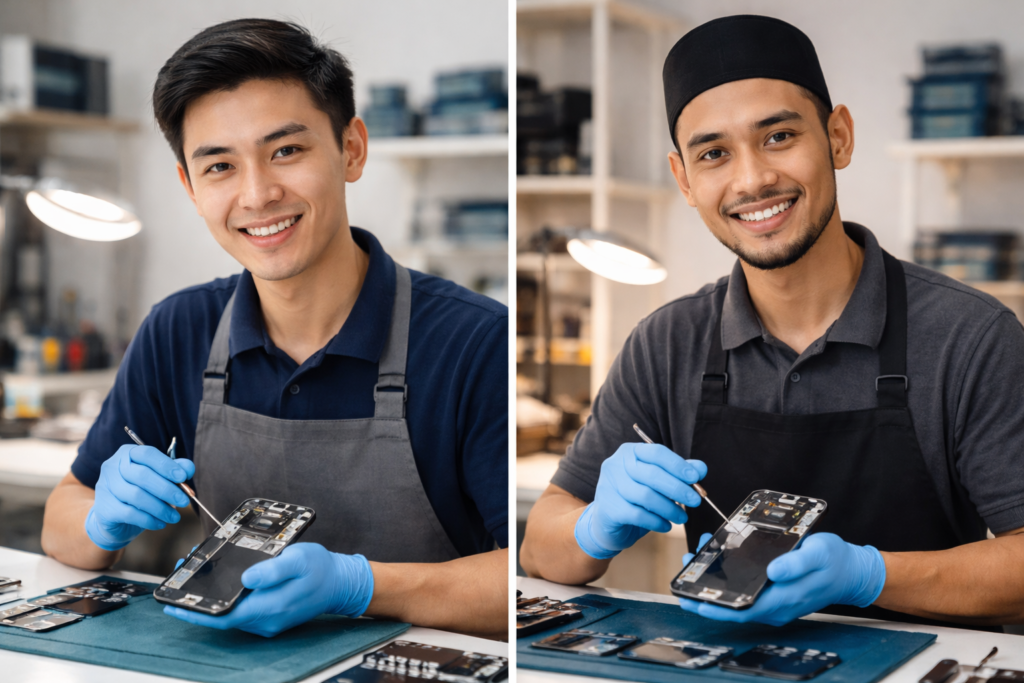
The processes employed by technicians during smartphone repairs are organized and systematic, with a primary focus on resolving hardware issues rather than accessing user data. A technician’s typical workflow can be broken down into several sequential phases, starting with a comprehensive diagnostic process. This phase involves assessing the mobile device to identify any physical damage or faults, such as screen cracks, battery issues, or defective components. By concentrating on hardware failure, technicians are able to prioritize specific repairs without needing to access sensitive user data.
Once the diagnosis is complete, technicians will gather the necessary tools and parts required for the repair process. This may involve sourcing replacement components, such as screens, batteries, or motherboards. During this phase, the focus remains anchored in the physical aspects of the device, ensuring that the operational integrity is restored. It is important to note that accessing user data is not a part of these routine procedures, thereby maintaining user privacy throughout the repair.
After the required components have been assembled, technicians move on to the disassembly of the device, which requires precision and caution to avoid causing further damage. Most technicians are trained to handle smartphones delicately, often utilizing specialized equipment designed to minimize risk. Throughout the disassembly and repair phases, all actions are directed at hardware resolutions, reinforcing the primary goal of restoring functionality without interfering with the device’s data storage.
Finally, post-repair testing is performed to ensure the device operates as intended. This stage is critical as it confirms that all functions are restored and that there are no additional issues. In summary, the structured workflows employed by technicians during smartphone repairs illustrate a commitment to hardware functionality, with minimal interaction with the user’s private data, thereby providing a sense of security for users entrusting their devices for repair.
Privacy in Repair Shops
In an age where smartphones are an integral part of daily life, the data contained within these devices ranges from personal contacts to sensitive financial information. Given the risk of data breaches and unauthorized access, the significance of privacy in repair shops cannot be overstated. Reputable repair providers must adhere to established privacy policies and ethical codes of conduct to ensure consumer confidence in their services. These policies serve to protect personal information, guiding technicians to handle data with the utmost care.
Legally, repair shops are often required to comply with data protection regulations that mandate the secure handling of customer information. Failure to adhere to these regulations could result in significant legal repercussions, including fines or damage to the shop’s reputation. Therefore, trustworthy repair establishments implement strict privacy protocols, which include measures for safeguarding data both during and after the repair process. This adherence to legal obligations significantly enhances customer trust and assures them that their data is being treated respectfully.
Moreover, ethical standards compel technicians to maintain discretion and professionalism throughout the repair process. Customers should feel assured that their devices are not only physically restored but that their personal data remains confidential. Reputable shops often provide transparency in their operations, informing customers about their data management practices before any repairs take place. Customers are encouraged to inquire about the shop’s privacy policies to better understand how their information will be handled.
In conclusion, the importance of privacy in repair shops is underscored by both legal mandates and ethical responsibilities. By selecting repair services that prioritize data protection, consumers can actively ensure their information remains secure throughout the repair process.
About Data Breaches During Repairs
When it comes to smartphone repairs, several misconceptions revolve around the safety of personal data. One prevalent fear is that technicians will easily access or misuse the sensitive information stored on a device. This concern often leads individuals to forego necessary repairs, mistakenly believing that their data is at a higher risk during the process. However, it is crucial to understand the realities behind data security during smartphone repairs.
Firstly, most reputable repair services have strict protocols in place to protect customer data. Technicians are trained to focus on hardware and software issues without necessarily accessing personalized information. Legally and ethically, these professionals are bound to respect the privacy of their clients. Consumer-focused repair shops prioritize their reputation and customer trust, which correlate directly with their adherence to data protection standards.
Another misconception is the notion that all repairs require full access to a device’s internal components. While specific repairs may necessitate temporary access to certain data, many issues— such as screen replacement or battery swap-can be carried out without the need for data retrieval or viewing. In most cases, customers can even choose to wipe their data before taking their smartphone in for repair, providing an additional layer of security.
Moreover, many manufacturers now recommend certified technicians for repairs, often putting certified professionals in place who are trained specifically on their devices. This certification not only underscores the commitment to quality repairs but also indicates that these technicians are knowledgeable about maintaining data integrity. By engaging with certified services, customers can further mitigate fears about data misuse.
In conclusion, while concerns over data breaches during smartphone repairs are understandable, being informed about the realities can help alleviate these apprehensions. By understanding the protocols of reputable repair services and the nature of most repairs, individuals can make more confident decisions regarding their device maintenance without compromising their data security.
Data Protection Measures
Technicians responsible for smartphone repairs often implement various data protection measures to ensure the safety of customers’ personal information during the repair process. One critical approach is the strict policy against accessing personal data. Many repair centers establish clear guidelines that prohibit technicians from viewing or manipulating any personal files or information, such as photos, contacts, or messages. This commitment to privacy reassures customers that their data will remain confidential throughout the repair.
Additionally, many technicians utilize robust customer service management systems that track and manage repairs systematically. These systems often include features that log significant actions taken during the repair process, thus creating an audit trail. Such transparency not only helps in maintaining accountability but also enhances customer trust. By utilizing these systems, technicians can ensure that they adhere to data protection protocols while efficiently completing repairs.
Another crucial measure technicians frequently recommend is for customers to back up important data before sending their devices in for repair. This proactive approach helps mitigate the risk of data loss during the repair, as unforeseen complications can sometimes arise, potentially jeopardizing the integrity of stored data. By encouraging customers to utilize built-in backup tools or third-party solutions, technicians can further empower them to safeguard their content.
Ultimately, these practices collectively form a comprehensive data protection strategy implemented by technicians in the smartphone repair industry. By focusing on preventing unauthorized data access, using advanced management systems, and encouraging customer backups, repair professionals create a secure environment to handle devices without compromising personal information.
What to Do Before Sending Your Smartphone?
Before sending your smartphone for repair, it is essential to take several precautionary steps to safeguard your personal data. By preparing your device properly, you can minimize the risk of data breaches or loss during the repair process.
The first step is to back up your data. Whether you use cloud services or local storage options, ensure that all important files, contacts, and media are securely saved. Most smartphones have built-in features that allow you to back up your data easily. Make sure to verify that the backup is complete and accessible before proceeding further.
Next, you should remove any personal accounts associated with your device. This includes signing out of email accounts, social media platforms, and any banking or payment apps. By removing these accounts, you significantly limit the access a technician might have to your sensitive information.
It is also prudent to change passwords for your accounts prior to sending your smartphone for repair. This adds an extra layer of security to your personal data, ensuring that, even if a technician gets access to your device, they won’t be able to log into your accounts. Consider changing the password of your device itself as well, if it is not needed for the repair.
Finally, consider performing a factory reset on your smartphone if you feel comfortable doing so. This will wipe all your data and return the device to its original settings. However, be cautious with this step; it should only be done after ensuring that all important files have been backed up securely. A factory reset can provide peace of mind by ensuring that your personal data remains private throughout the repair process.
Case Studies:
In the realm of smartphone repairs, concerns regarding data security often loom large among users. However, numerous case studies illustrate that it is indeed possible to achieve successful repairs without compromising valuable data. These examples showcase the effectiveness of modern repair techniques and reinforce the importance of choosing the right service provider.
One notable case involved a user who accidentally dropped their smartphone into water, prompting immediate concern about data loss. The device, heavily damaged yet operational, was taken to a certified repair shop specializing in water-damaged smartphones. The technicians employed a meticulous process, including the disassembly of the device, cleaning of the internal components, and drying methods that preserved the data stored on the device. Upon completion of the repair, the user found that not only was their smartphone functioning optimally, but all their photos and important files remained intact, alleviating their fears of losing priceless memories.
Another case featured a user whose smartphone screen shattered during a hiking trip. Sensitive data and crucial documents stored on the device caused significant anxiety regarding potential data loss. After selecting a reputable repair service known for its data preservation techniques, the smartphone was promptly repaired. The skilled professionals used advanced tools that ensured the data remained untouched during the screen replacement process. The user later expressed immense gratitude, highlighting their surprise that not only was the device restored to its original state, but the data was untouched as well, proving that careful handling during repairs is paramount.
These examples, along with countless others, provide reassurance for users contemplating repairs. By selecting a trustworthy repair center and understanding the processes involved, it is entirely feasible to repair a smartphone while safeguarding all essential data.
Trustworthy Smartphone Repair Service
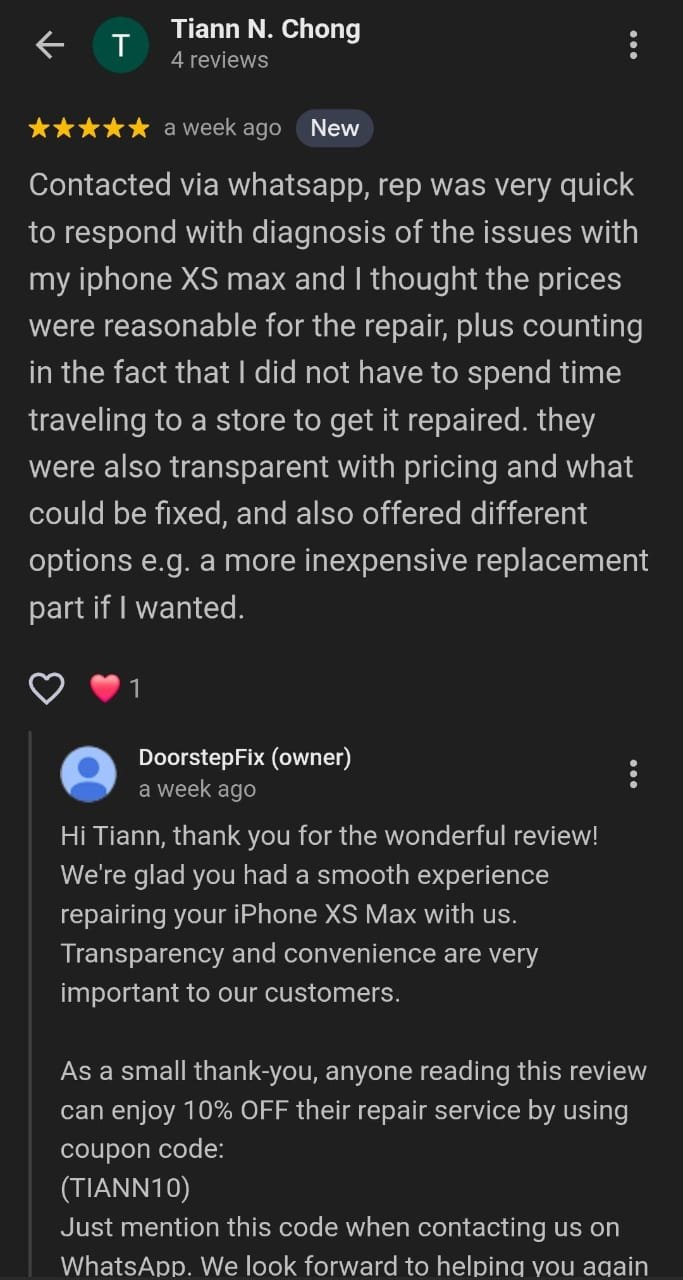
When seeking a reliable smartphone repair service, several key characteristics should guide your decision-making process. Foremost among these is the presence of positive customer reviews. Reviews often reflect the experiences of past clients, thereby providing insight into the quality of service offered. A reputable repair service typically displays a collection of favorable reviews on multiple platforms, indicating consistent performance and customer satisfaction.
Another important sign of trustworthiness is customer referrals. Word-of-mouth recommendations from friends, family, or colleagues are valuable indicators of a repair service’s reliability. When people you trust recommend a repair service, it lends credibility to their claims about quality and service efficacy. This is especially relevant in the smartphone repair industry, where improper handling can lead to further damage.
Transparency in pricing is a further characteristic of trustworthy services. A reputable repair provider will offer clear information regarding service charges upfront. They must outline any potential additional costs associated with the repair process, thus avoiding any unpleasant surprises for customers when the bill arrives. A clear breakdown of pricing demonstrates the company’s integrity and helps build a trusting relationship with clients.
Lastly, an established return policy can also serve as a strong marker of a trustworthy repair service. Companies that provide a reasonable warranty for repairs show confidence in their services and products. Should issues arise post-repair, a clear return policy allows customers to seek recourse without encountering obstacles, further solidifying the client’s confidence in the service.
Conclusion:
In summary, navigating smartphone repairs while ensuring the safety of your data is entirely feasible. The concerns surrounding data loss or breaches during repairs are common, yet these can often be alleviated through careful planning and the choice of qualified professionals. Users are encouraged to verify that service providers follow strict protocols to safeguard customer data. This could include utilizing secure servers for data management and ensuring technicians are trained in handling sensitive information.
Additionally, smartphone users should take their own precautions before handing over their devices for repairs. Backing up important files, photos, and contacts to a secure location, such as cloud storage, is a proactive measure that reduces the risk of data loss. This precaution provides peace of mind, knowing that even in the unlikely event of a mishap, your cherished data remains intact.
Trusting professional technicians can significantly reduce the likelihood of data issues during repairs. A reputable service center will prioritize data integrity while executing necessary hardware fixes. When you choose certified technicians, you are not only ensuring quality repairs but also protecting your valuable information. Thus, it is vital to research and select a repair facility known for its commitment to data safety.
In conclusion, maintaining data safety during smartphone repairs hinges on a combination of user vigilance and the expertise of the professionals handling the device. By taking proactive steps, users can engage in repairs confidently, knowing they have adequately protected their data and can expect a smooth repair process.